home > what's new? |
Ian Mortimer |












What's New?
6 August 2026 The first review of my new book, Through the Windows of an Ordinary House: a History of England, has appeared in The Times. By Max Hastings, who liked it: "It is great stuff, and Ian Mortimer has gathered almost 1,500 years’ worth of it in this original history of England, told through and around the experience of Mearsdon, which is today his home. Standing in the midst of the little town, in times gone by it has been variously a hovel, farmhouse, manor, tenement and gentleman’s residence... We live in times when the study of history is in tragic decline. Mortimer has established himself as a fine teller of tales about people, rather than kings. His seems the best, if not the only, way to lead a big audience back into the past... This is a book rich in anecdotage, especially from the 19th century. Now that most schoolchildren learn only small fragments of history, rather as if the syllabus permitted them to place only 20 or 30 pieces of a 1,000-piece jigsaw, an account such as Mortimer’s offers precious social context through a couple of millennia." 27 August 2026 Some talks in Devon are planned to promote my new book, Through the Windows of an Ordinary House: a History of England, which will come out on 17 September. See the 'Future appearances' link to the left for furter details.
20 August 2026 Yesterday I finished recording the audiobook of Through the Windows of an Ordinary House: a History of England, which will come out on 17 September. Thoroughly enjoyed reading this one; some parts were quite emotional (such as the First World War section).
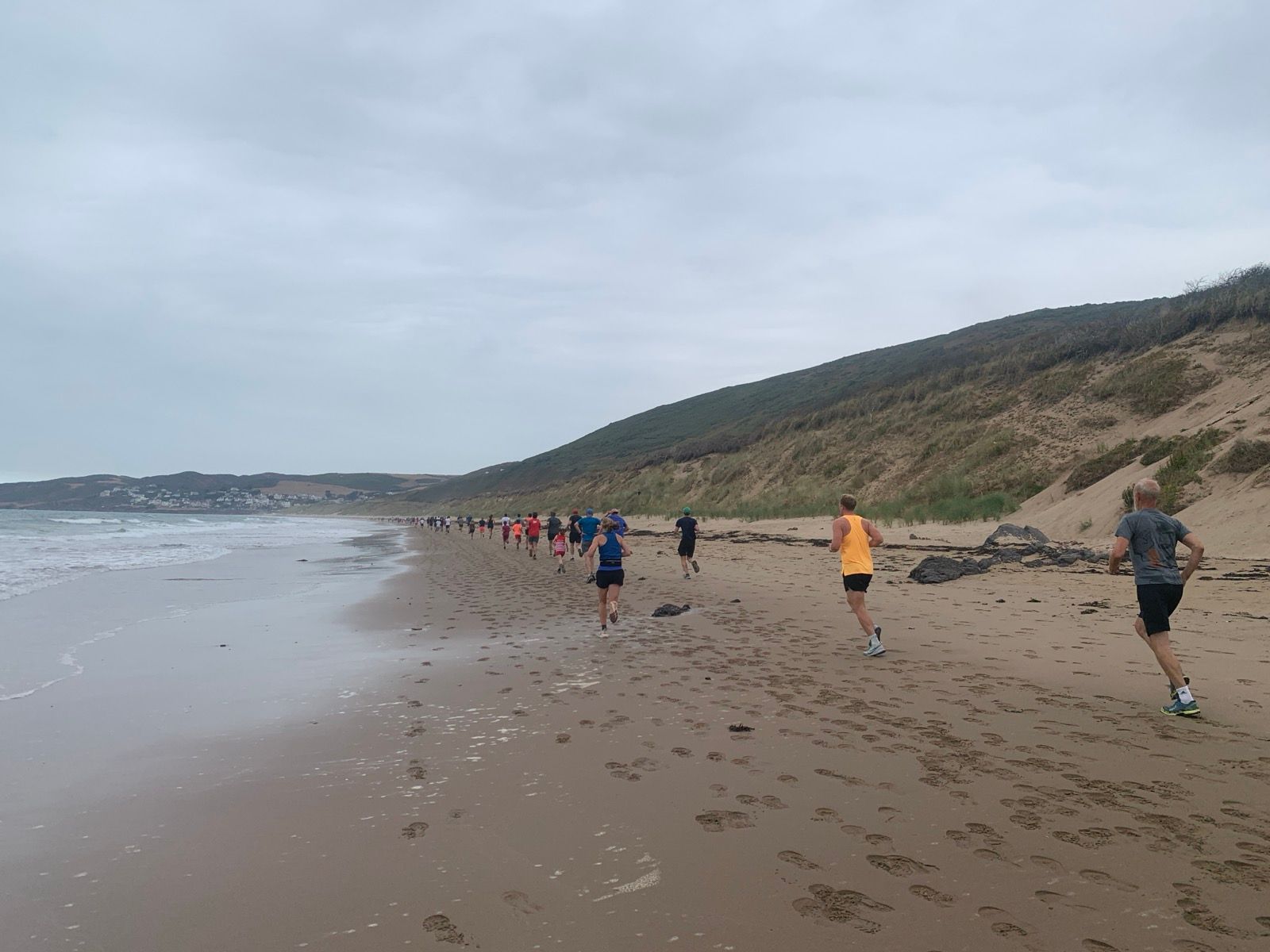
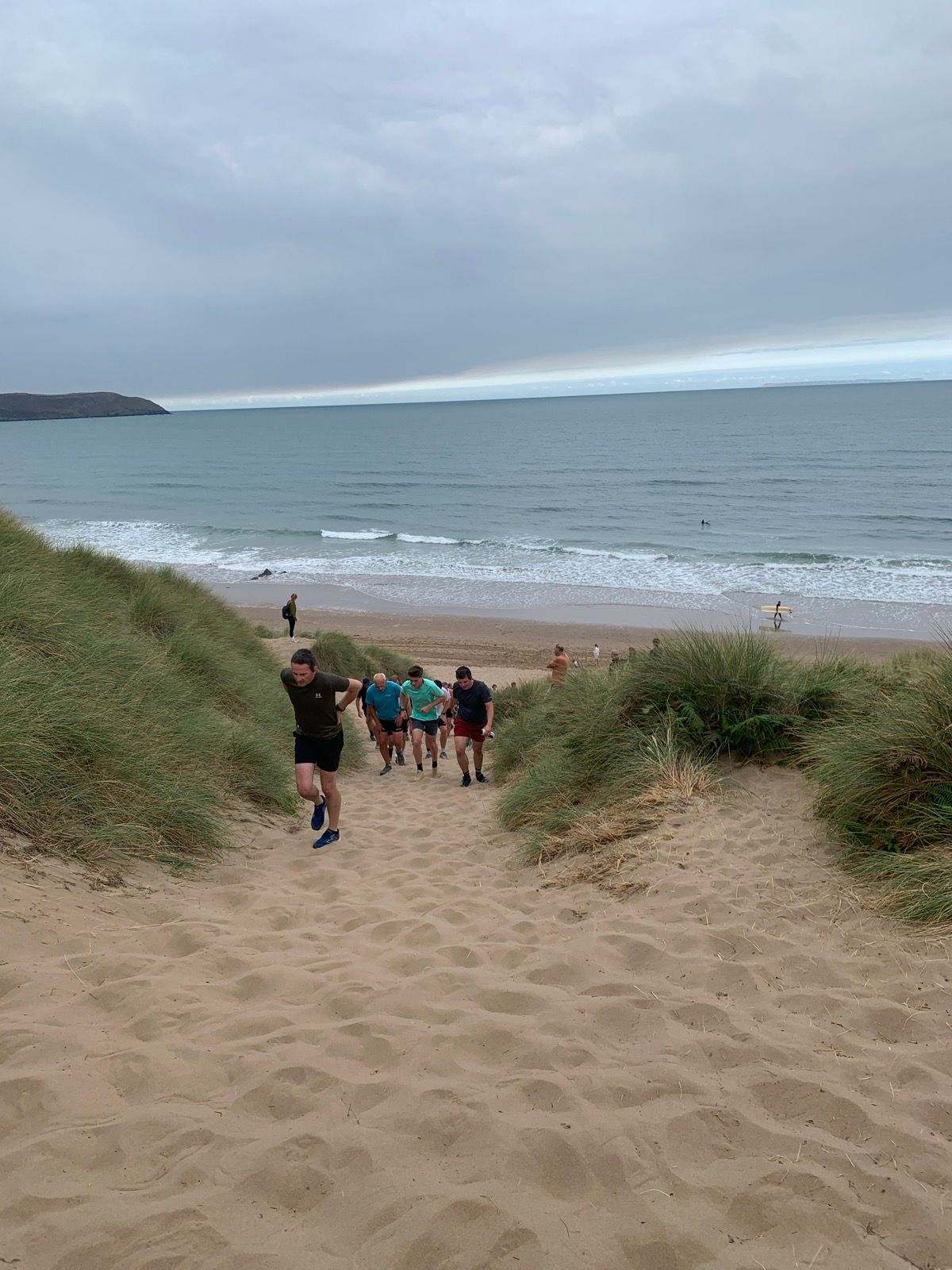
15 August 2026 For anyone who takes part in parkruns, Woolacombe Dunes is infamous as one of the hardest in the country. Officially it is fourth hardest but in actual fact, its difficulty level depends on how much rain there has been. If there has been none for weeks, the sand is so soft that it is almost impossible to run on. Today, the first of the 430 runners came home in 23:12, the eighth-slowest first-placed runner since the event started in 2018. I ran around gently in 31:18 with my great friend Sarah, who has agreed to run regulalrly with me next year, when I write my next running book (in the year I turn sixty, to complement, Why Running Matters, written in the year I turned fifty).
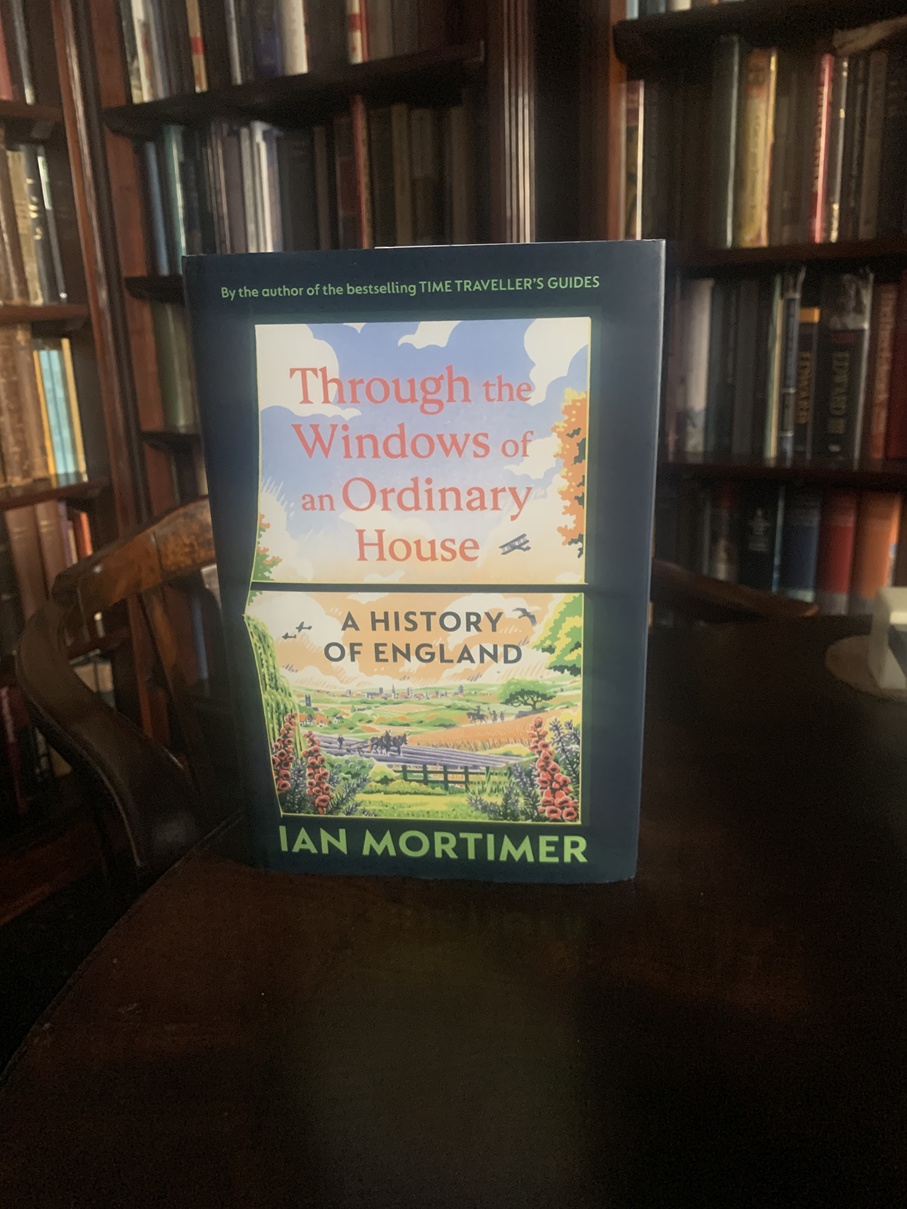
29 July 2026 Today my author's copy of my new book, Through the Windows of an Ordinary House: a History of England arrived from the publisher, The Bodley Head. You can read about it here. And below you can see the new copy sitting in my library at Mearsdon - which is, of course, the 'ordinary house' of the title. Official publication day is 17 September.
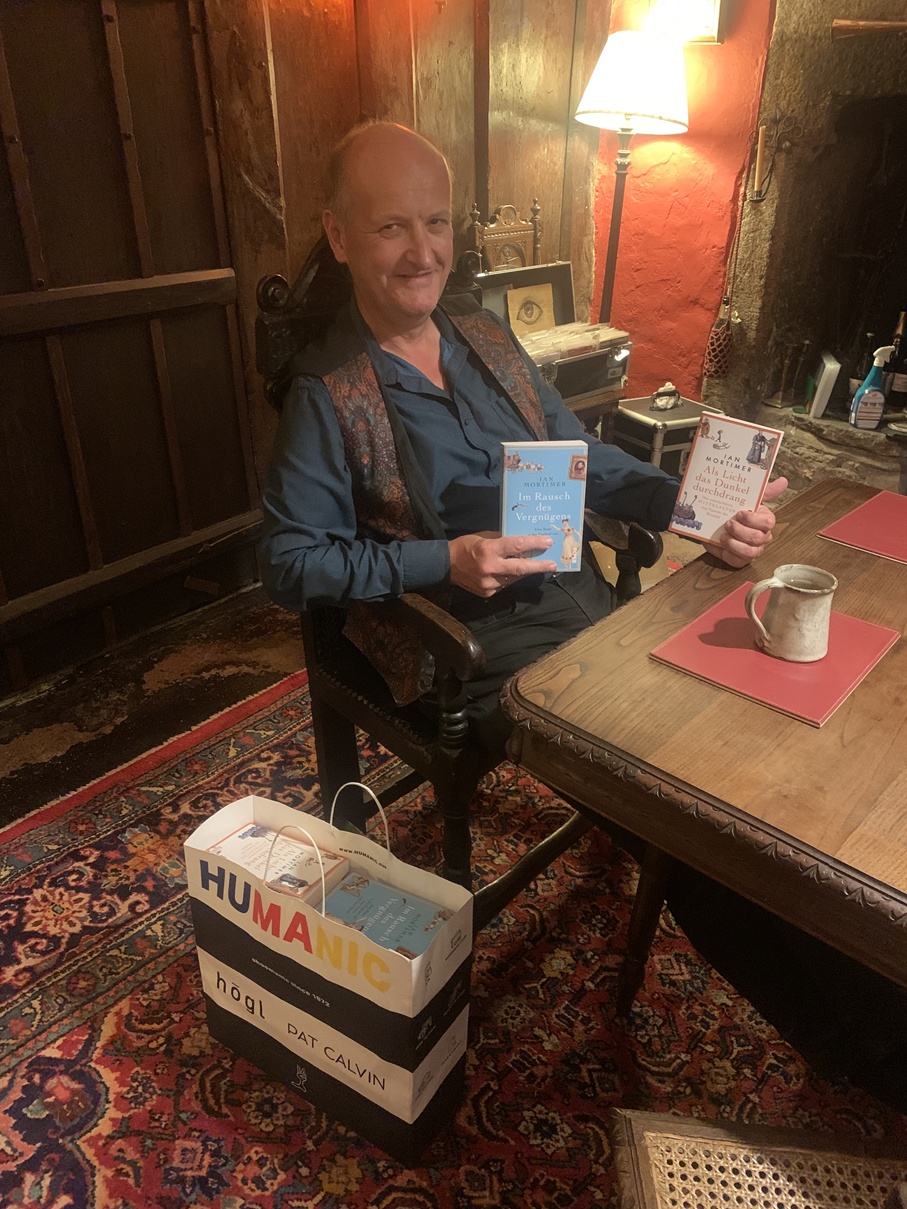
In case you are wondering, no it's not a local history, or a history of the house. It's a national history - a history of England, as the subtitle says - seen from the point of view of the people who lived here from Saxon times until now. Imagine you were to live to 110, in recounting your memories, you would not stick just to politics, or social history, or cultural history, or your domestic arrangements - you would mix all these things up in one mass of reminiscences. This book is an attempt to do just that - but as if you had lived here for more than 1,000 years. 'A glimpse of a thousand years from my dining room' is how I describe the book in a single sentence. 12 August 2026 My sister-in-law, Charlotte, lives in Karlsruhe, Germany. Visiting her recently, I took her a box of signed German-language copies of my books, which I asked her to give away as she saw fit. That proved so successful that when she came here, I gave her some more. Here I am at Mearsdon signing them, showing that if you are in Karlsruhe and you pick up a German translation of one of my books and it is signed, this is the explanation!
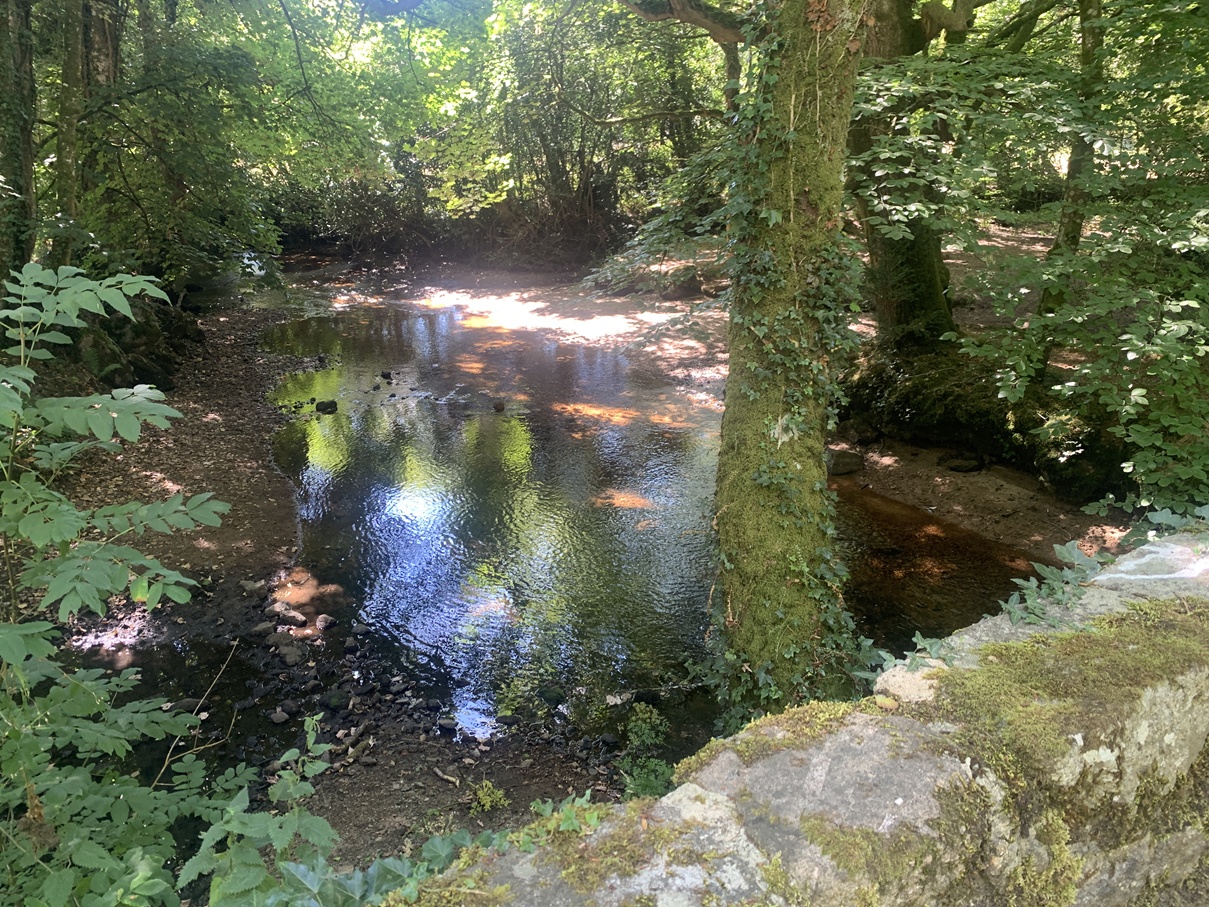
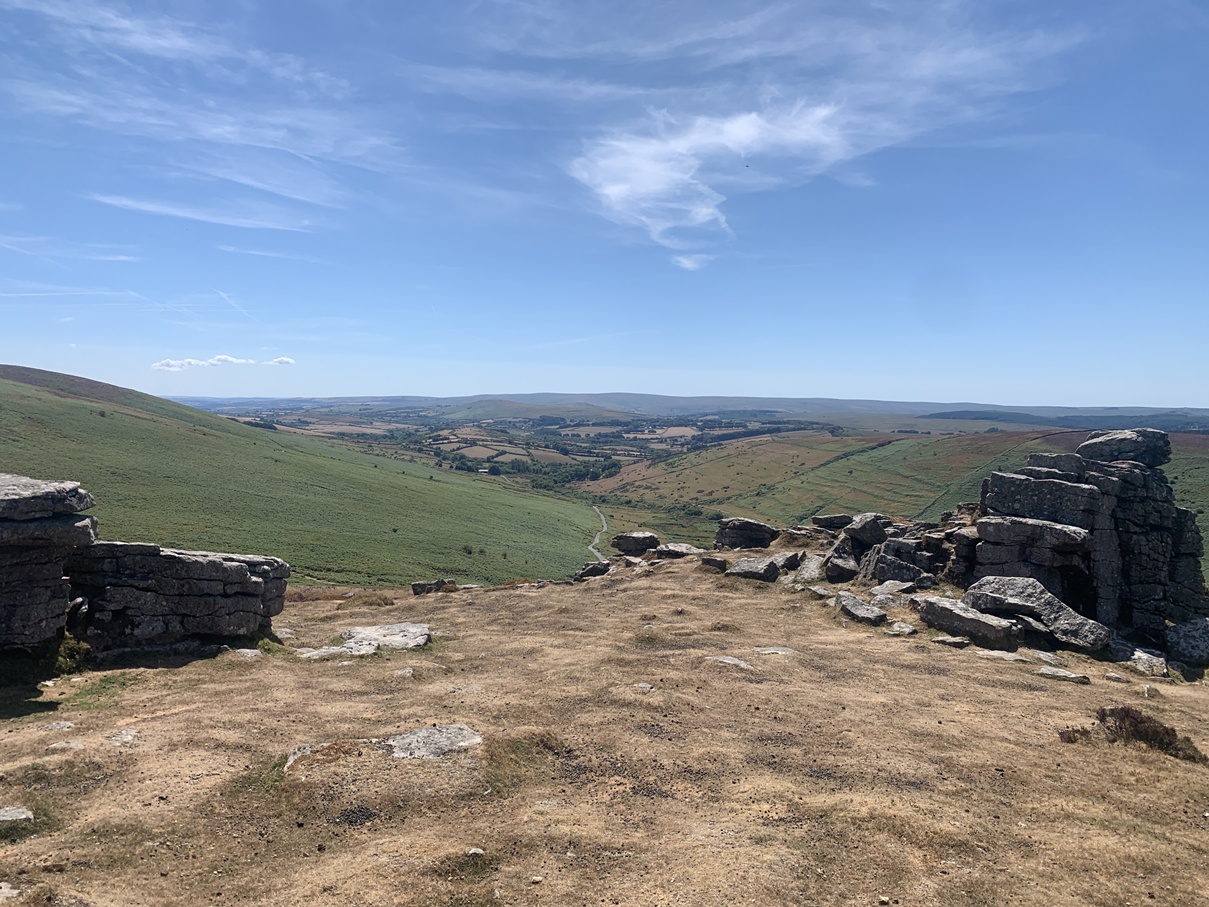
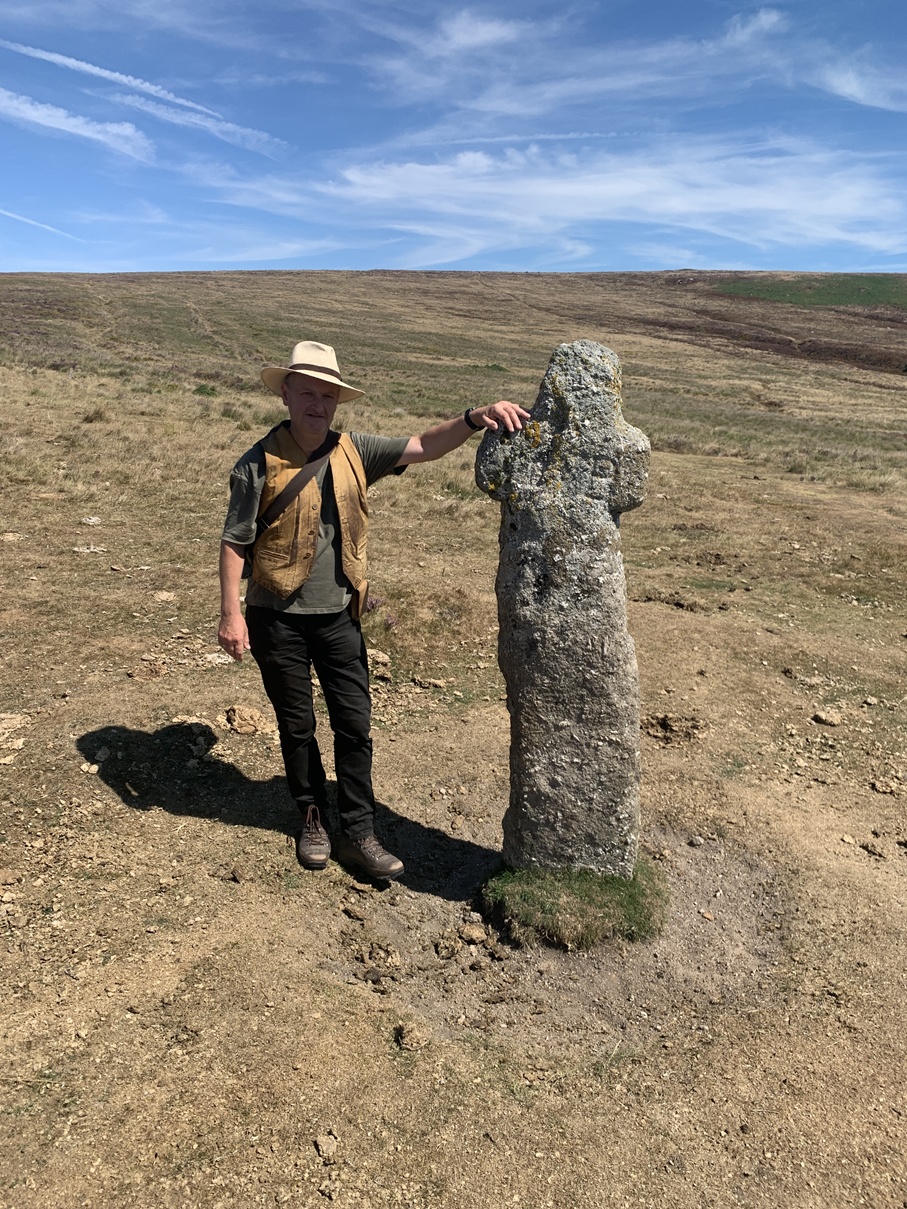
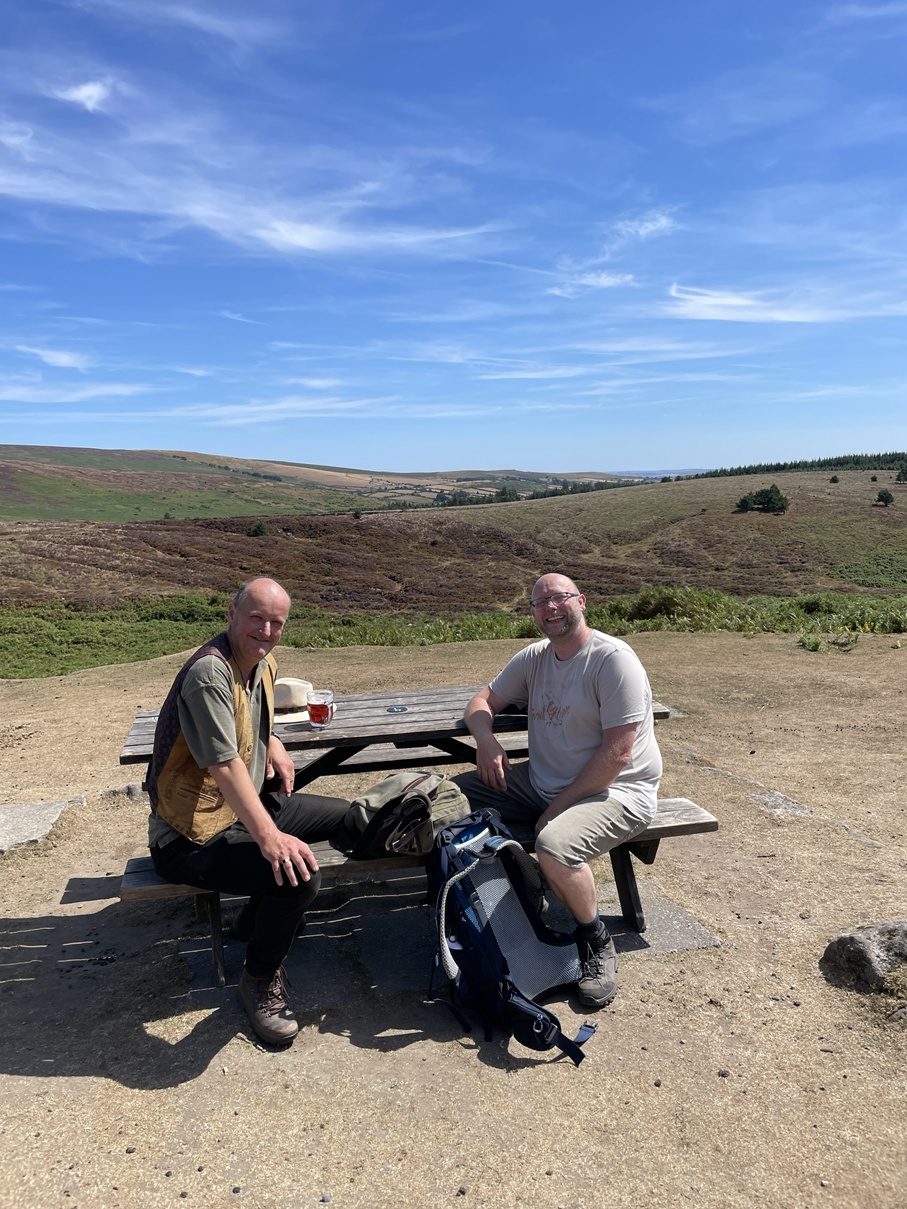
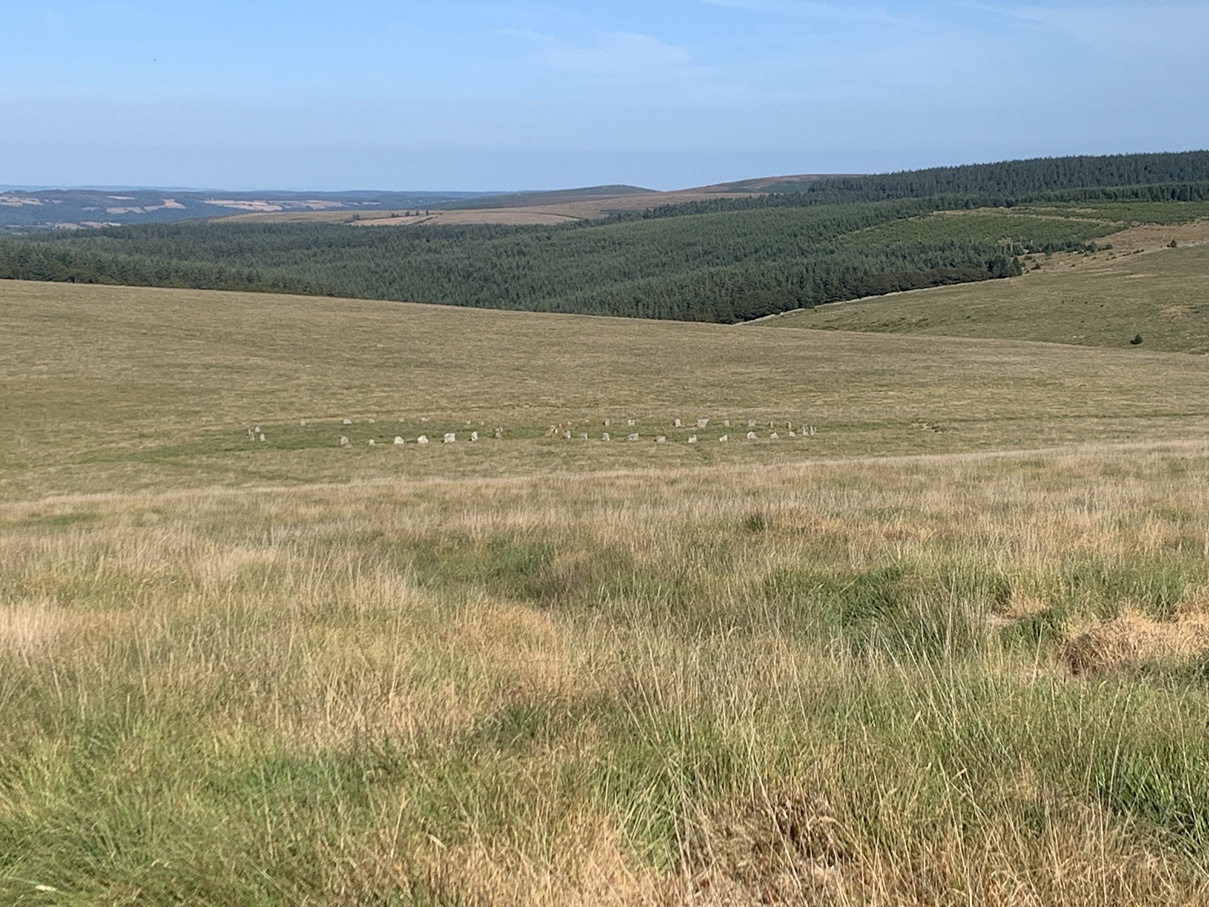
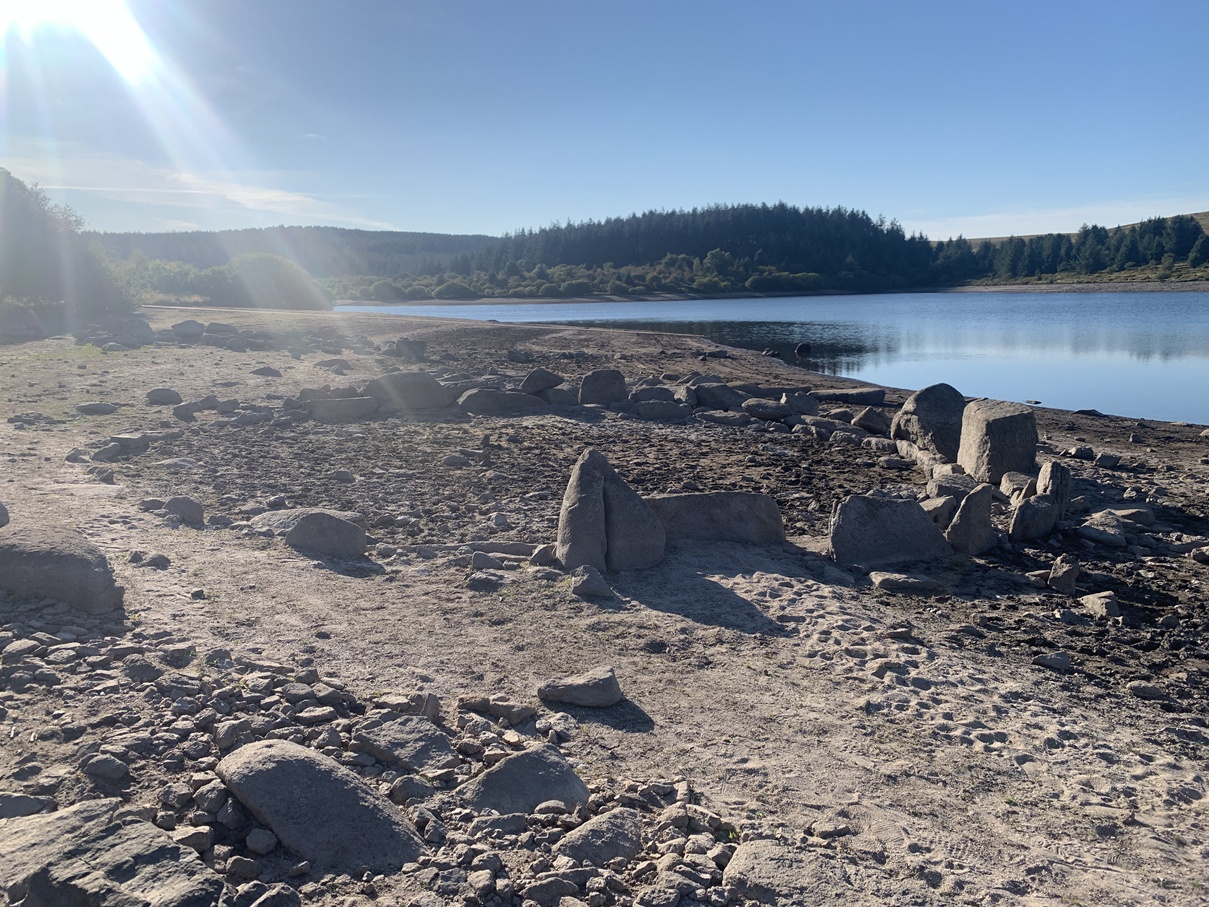
10 August 2026 Again, this has got nothing to do with my work. However, I'd like to share a walk I did recently with my sister-in-law's boyfried, Jeroen, from Holland. We set off from Moreton and walked over the fields to North Bovey, where we looked at the early-sixteenth-century benchends and wonderful seventeenth-century carved tomb slabs. From there we walked over the hills to Hookney Tor, above Grimspound. Over to the Warren House for lunch, from which we headed stright up over the hill to White Ridge and down the far side to Sittaford Tor. I showed him the Grey Wethers - the only double stone circle on Dartmoor - before leading him homeward through Fernworthy forest. Stopping at the reservoir, the level was low enough to see the well-preserved Bronze Age stone circles here. A wonderful walk - one the reasons why I live in this part fo the world.
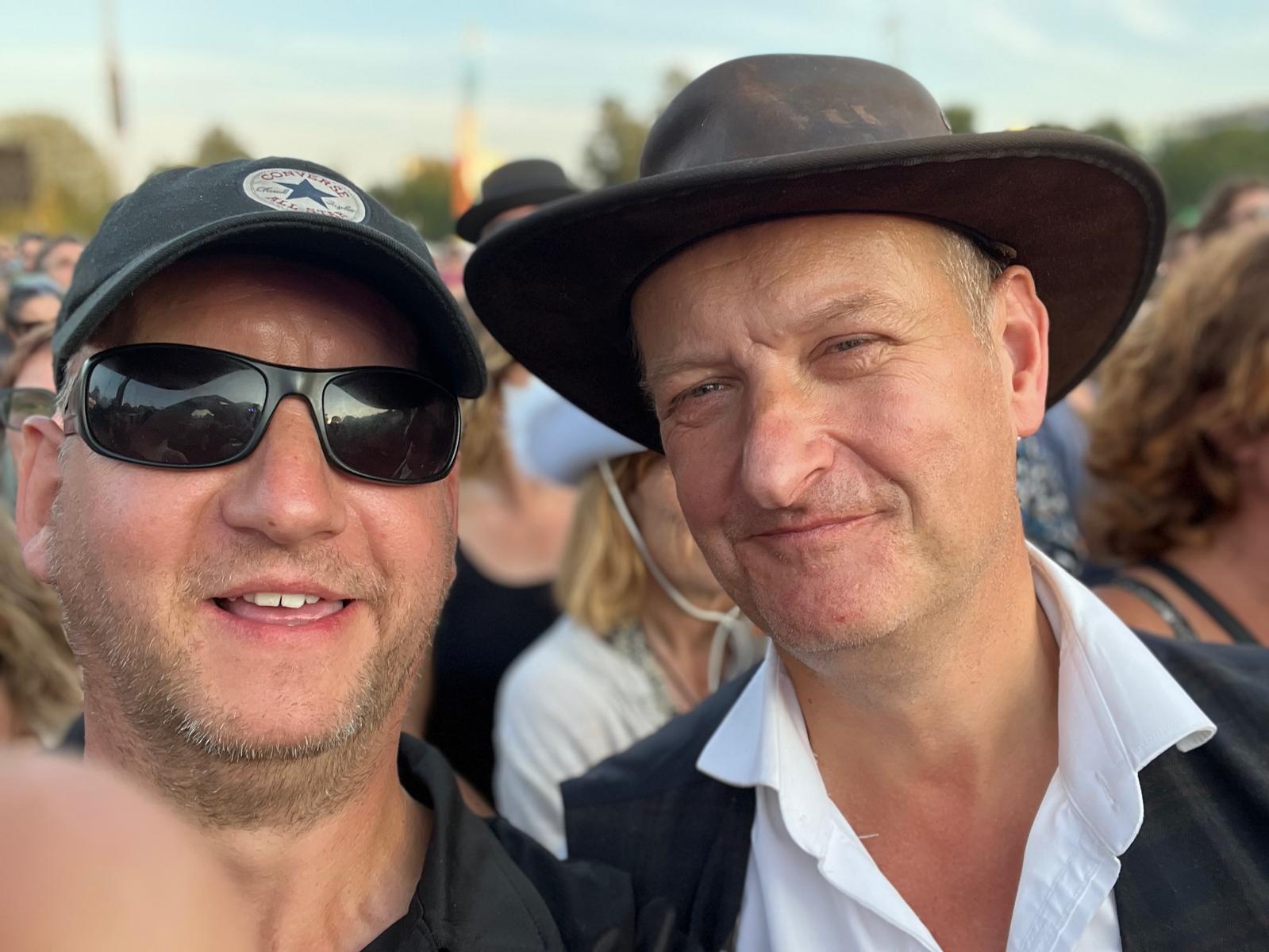
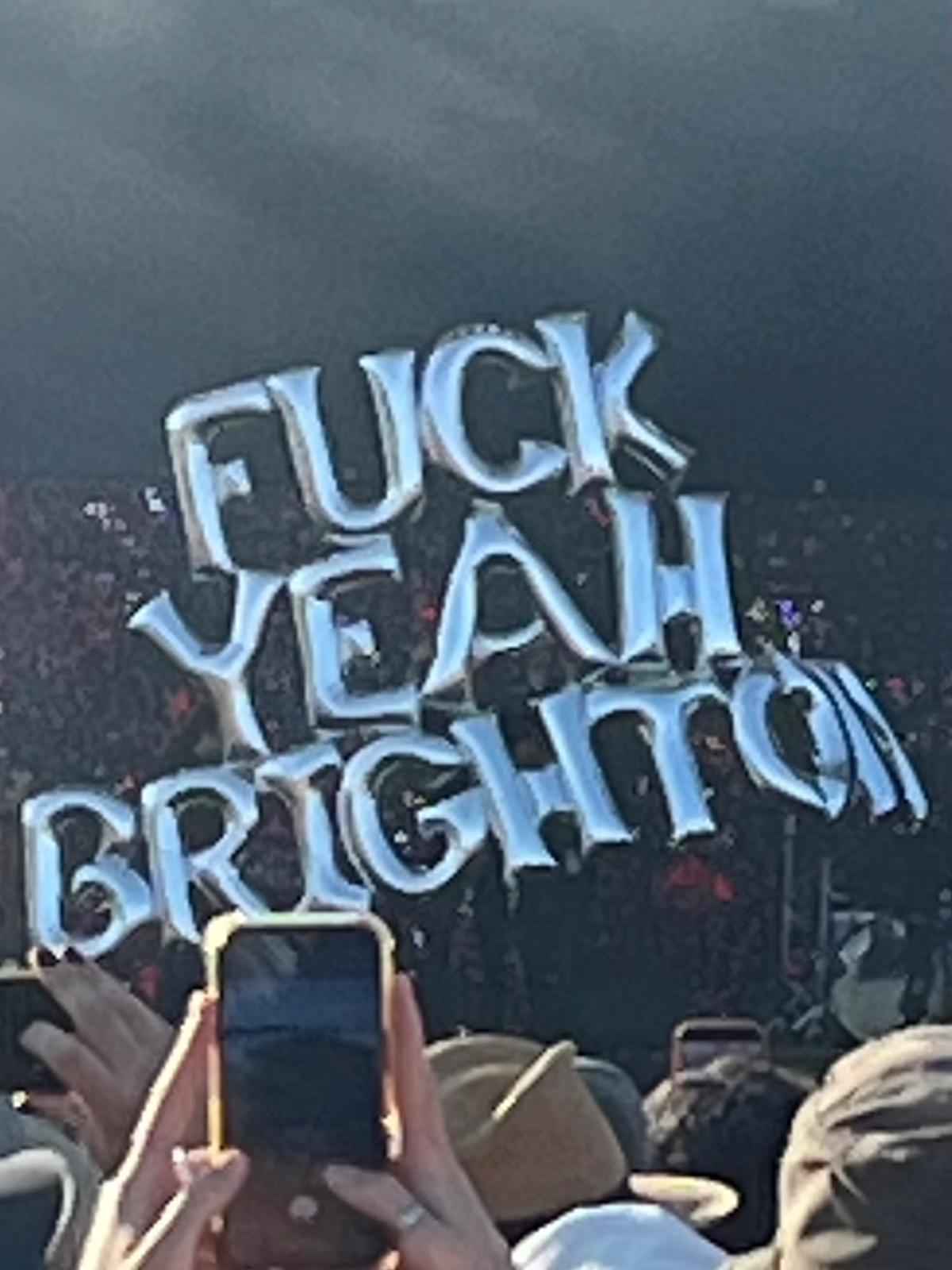
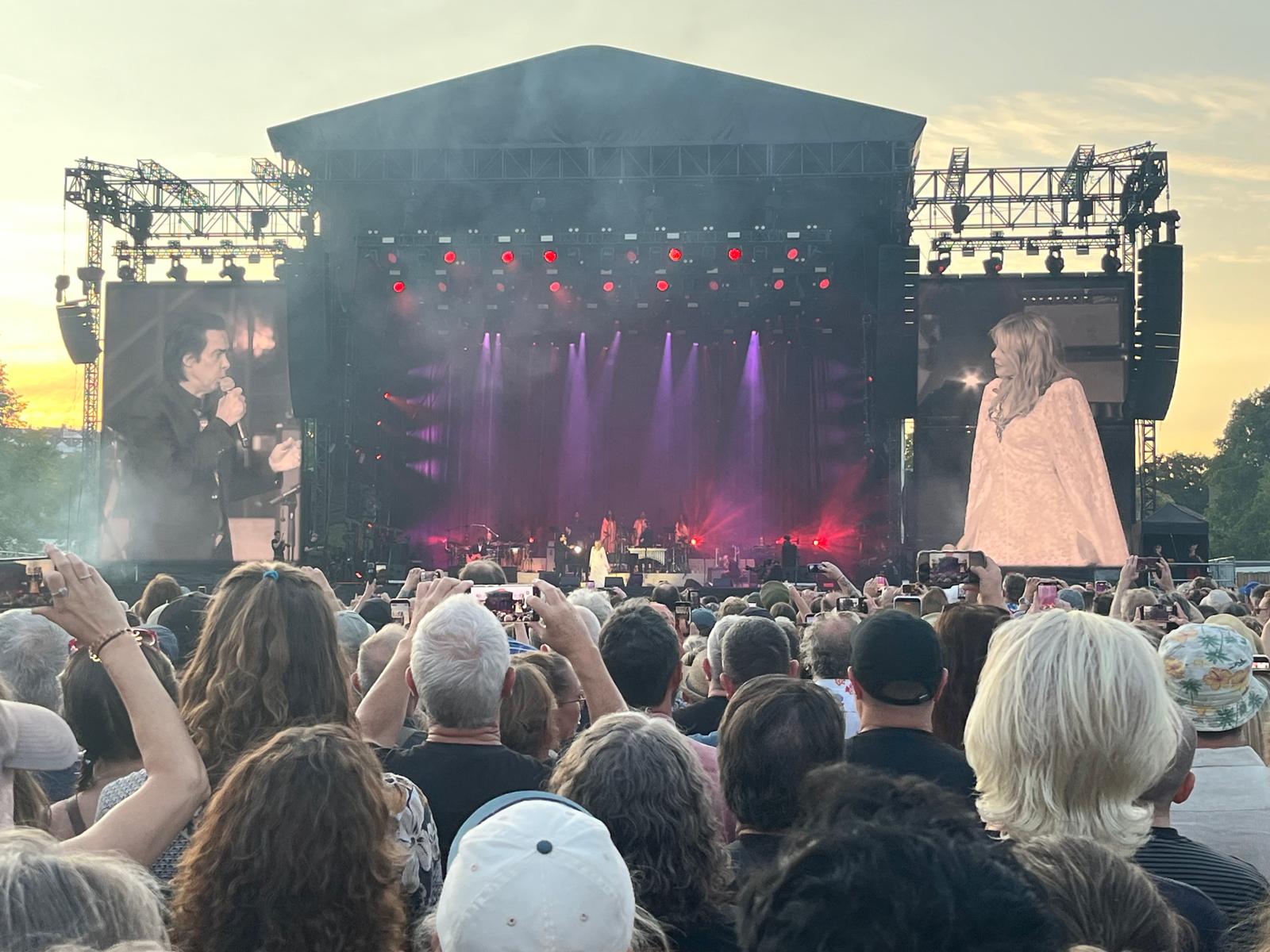
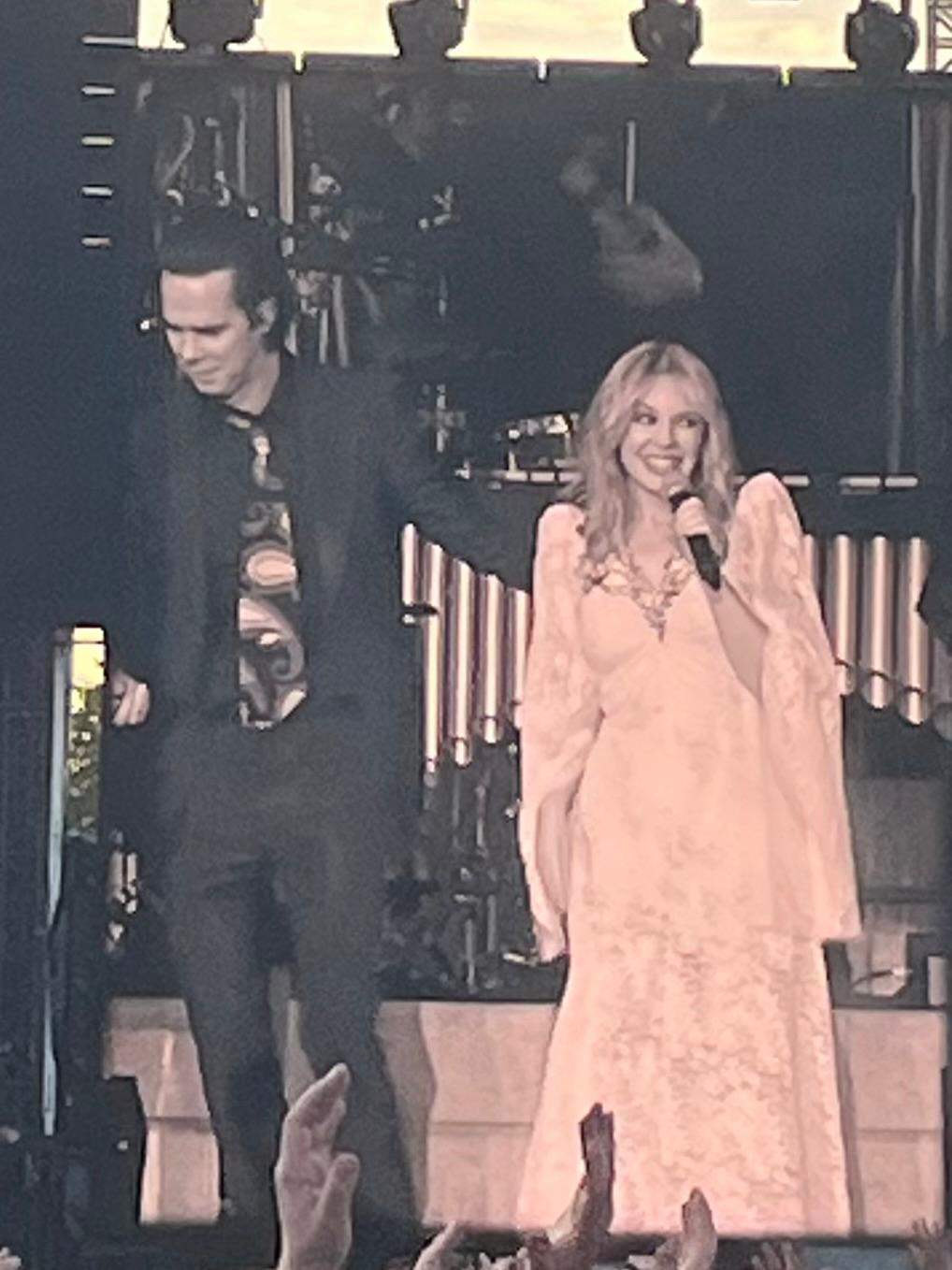
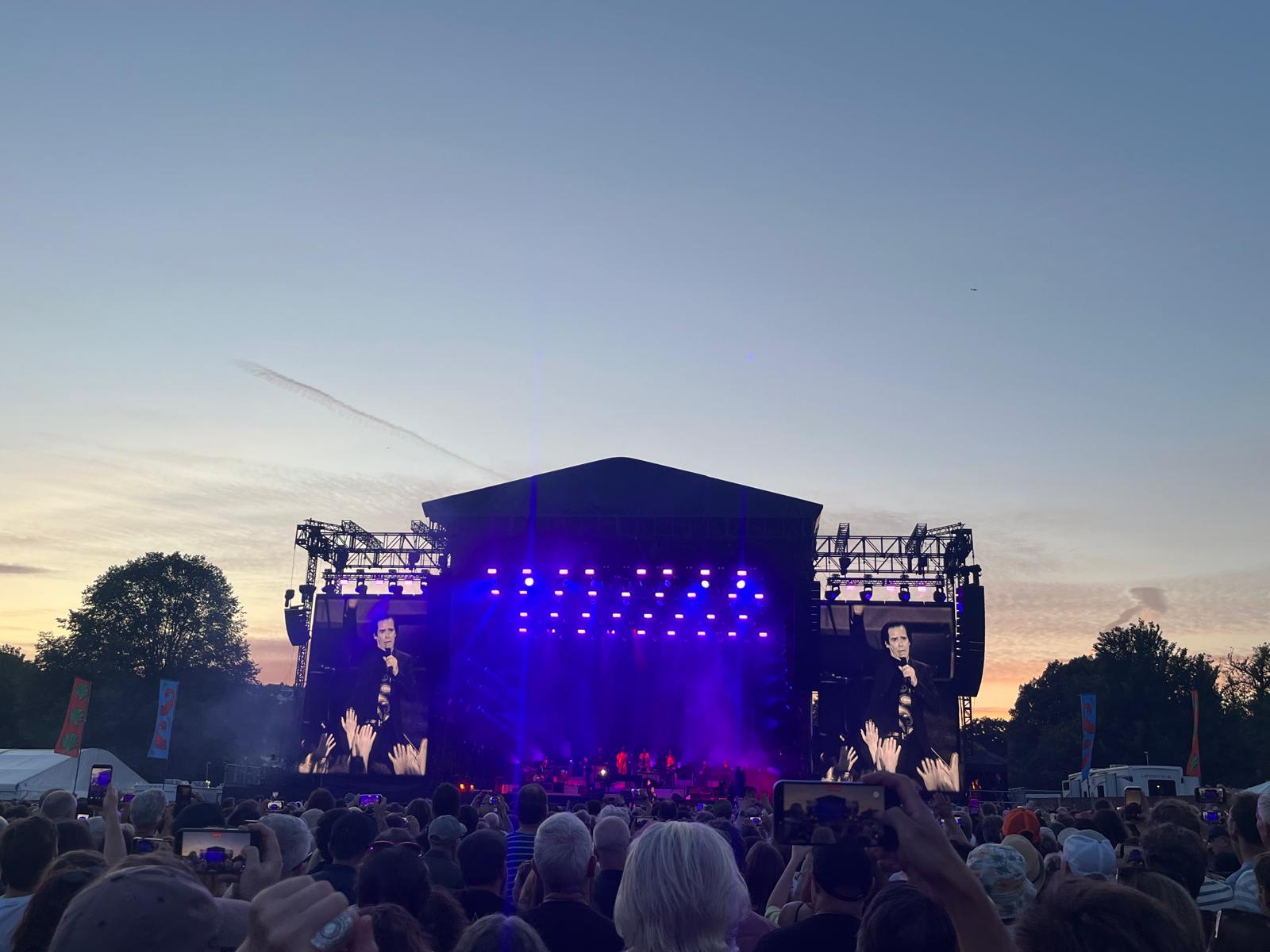
An early sixteenth-century bench end in North Bovey Church. We were in our fifth heatwave of the year - the River Bovey was very low but still pretty. I love being up on the high moor, as here, at Hookney Tor. At Bennet's Cross, an early medieval monument found by Ellery Bennet at the bottom of the valley in the nineteenth century and now beside the road. With Jeroen at the Warren House Inn. The Grey Wethers, the only double stone circle on the moor. Every time I come here, I find myself wondering, why did they put it here? Fernworthy reservoir, one of my favourite spots on the moor. The hot weather had resulted in the reservoir levels dropping, exposing this stone circle from the Bronze Age, complete with its inner lining stones. This is normally beneath the water. 31 July 2026 This has got nothing to do with my work except for the fact that I have always admired Nick Cave - who is exactly ten years to the day older than me - and was influenced by his song writing when I used to write poetry. But this year he performed a massive gig with the Bad Seeds in Brighton, where he used to live. My brother, Robbie, bought me a ticket for my Christmas present, and wow, was it memorable.
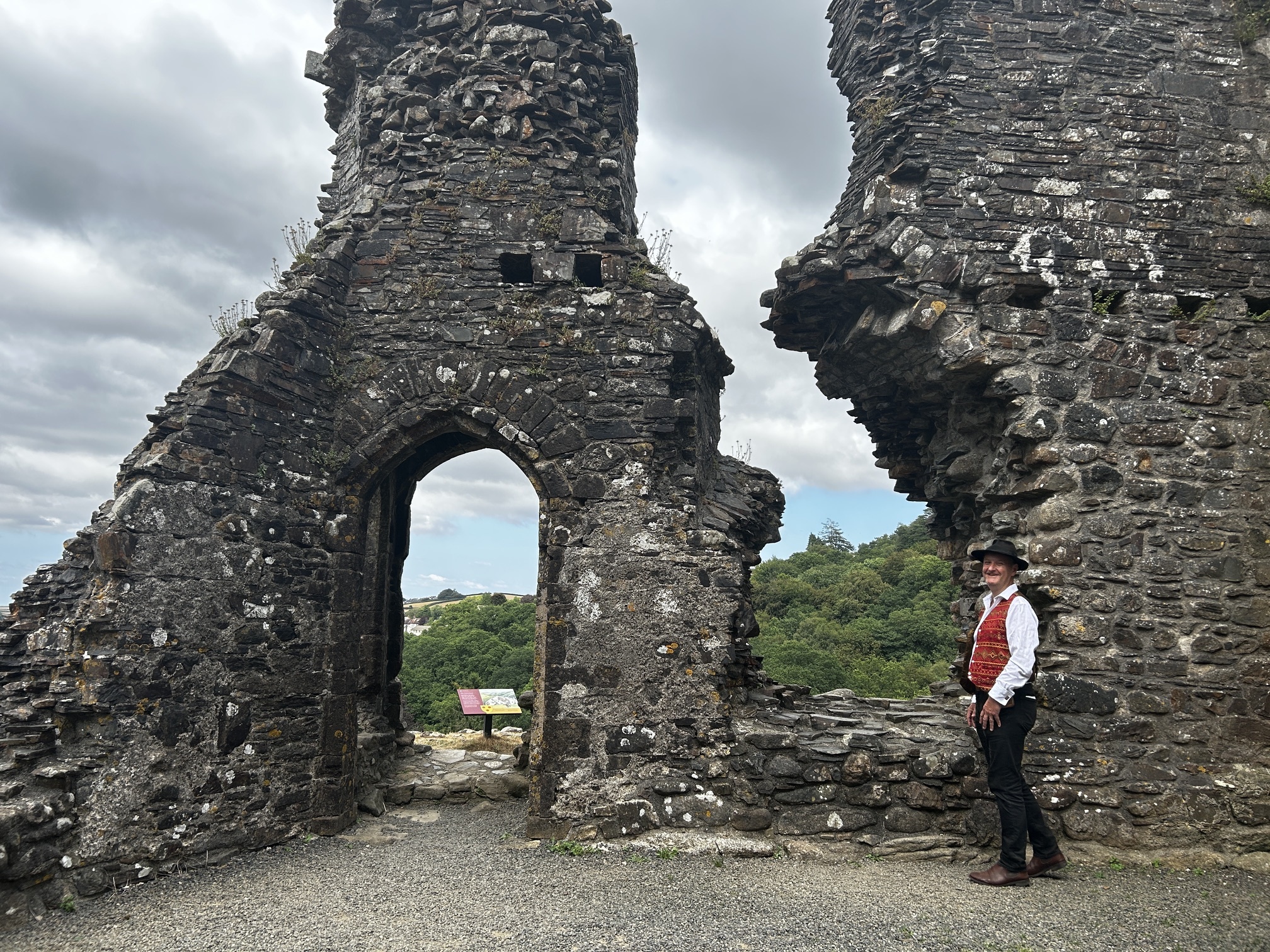
Me (right), with my brother, Robbie. The full line-up for the day The Flaming Lips did a dynamic show with some very large, surprising, props. How cool can you get? Nick stopped between songs to say, 'Would you please welcome to the stage Kylie Minogue...' ...And we did. I wish I'd been a rock star. However, I was always too shy as a young man, too self-aware, and too quiet. Today, there's nothing more I love than getting up on stage with a band. But the truth is, I'd have been rubbish, a second-rater at best. Luckily, I was always dedicated to writing about the past and how we know it, understand it, and gain meaning and hope from it. Even more luckily, I still am. 29 July 2026 Today I was visited by Charlotte Kruger, a content producer for the German-based TV company ARTE, who wanted my input on a short film they were making, asking 'were the Dark Ages really dark?' Of course they weren't, but showing why was the requirement, not just saying so. We filmed in my house, Mearsdon, as well as in the churchyard in Moreton, and here up at Okehampton Castle.
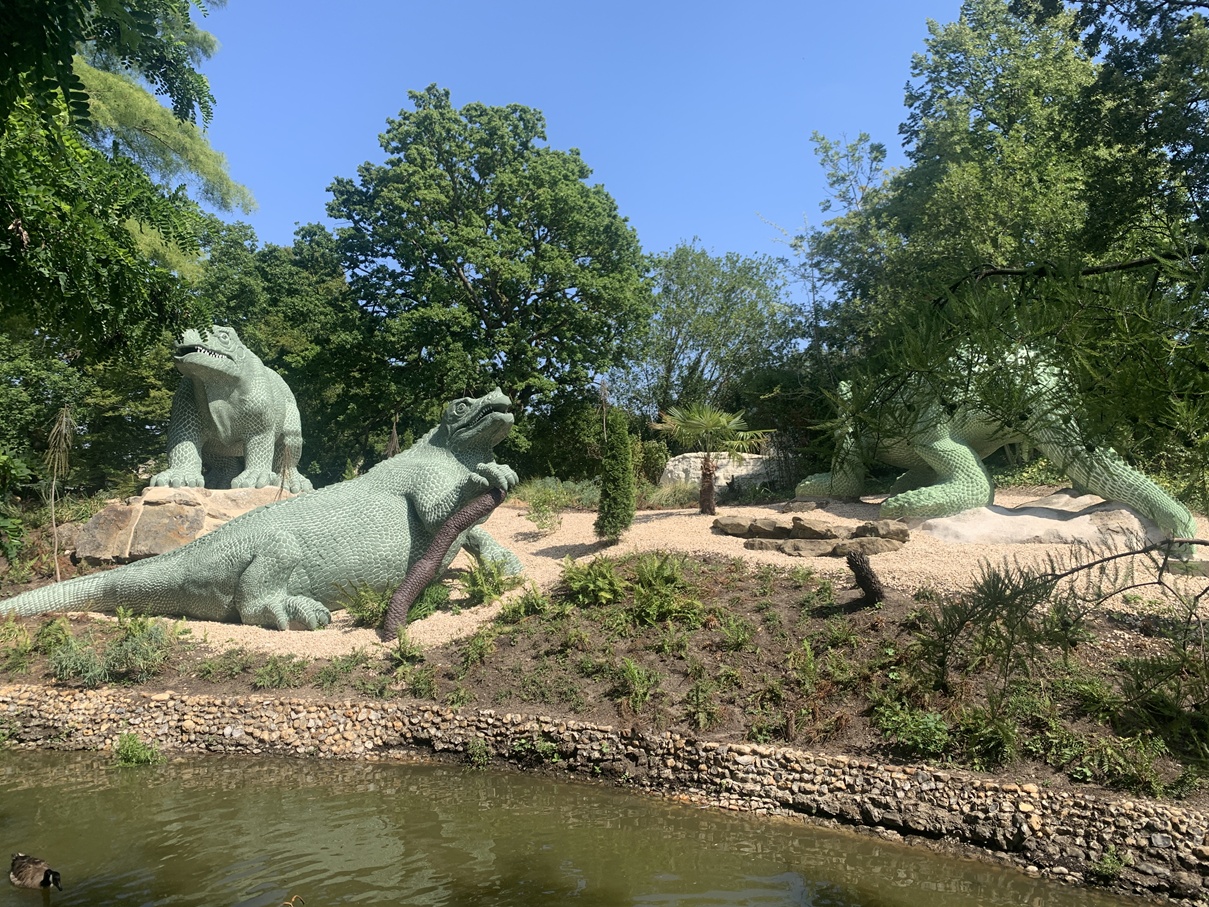
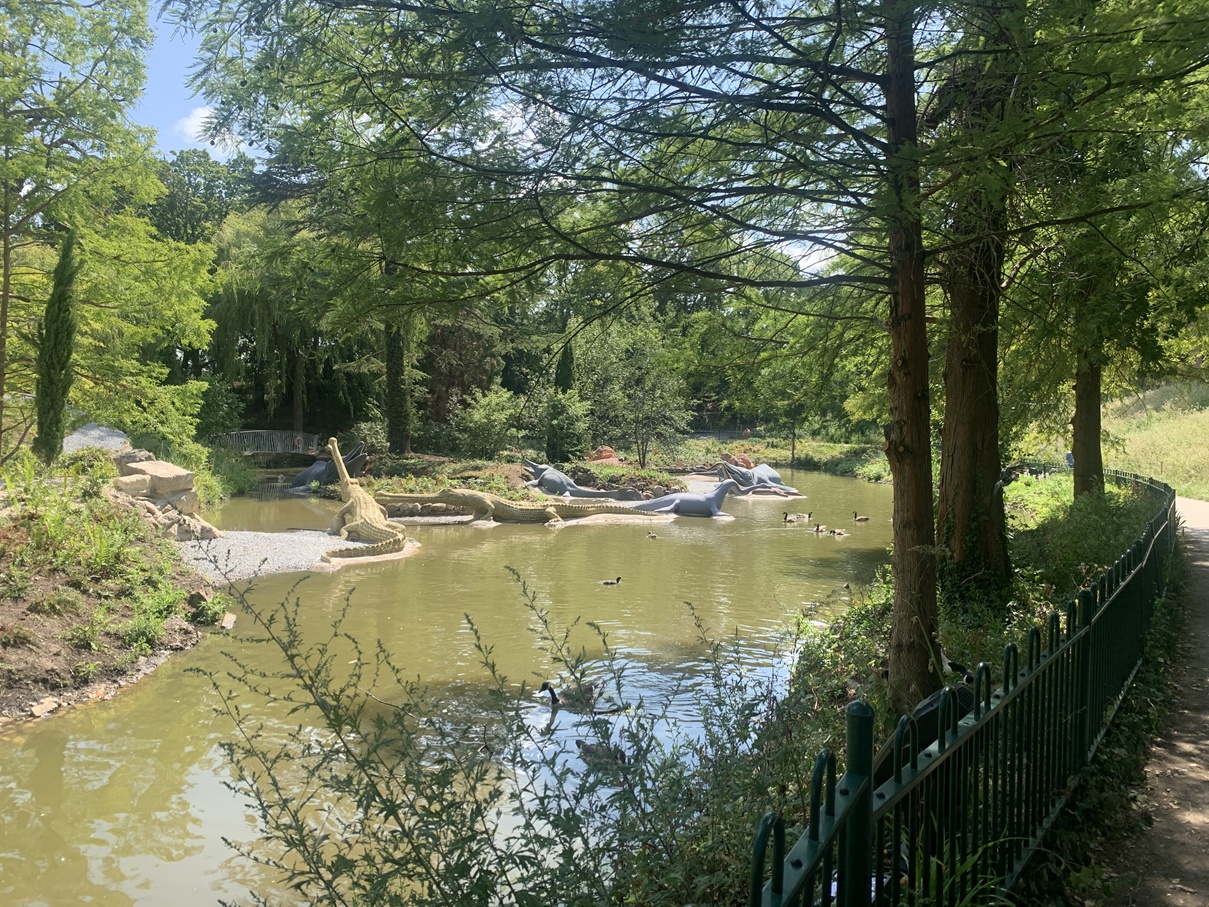
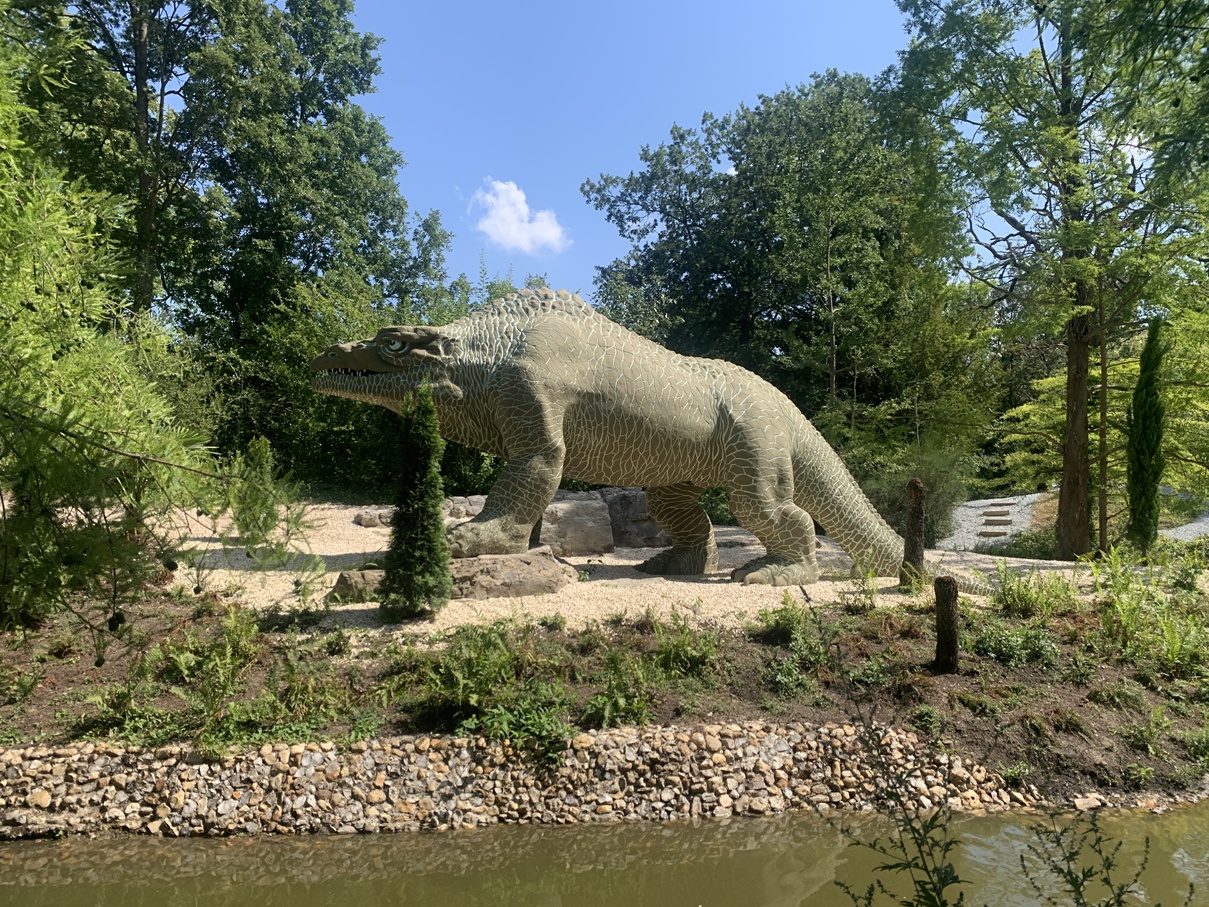
15 July 2026 When I was growing up in suburban south London (Petts Wood, then Shortlands, near Bromley), I was occasionally taken to see the dinosaurs in Crystal Palace Park. Grown up, I occasionally went back there to visit them. But when writing Centuries of Change/Human Race in 2012-5, I realised how important these models were in our history. They were amazingly bold attempts to display to Victorian people that creatures they had never imagined had once roamed the earth - challenging the Bible's authority and expanding people's minds about the age of the earth and the nature of Creation. They started to speak to me in a new way, historic as well as prehistoric. I went along recently to see them in their newly restored state.
7 July 2026 Most years I gather a band together and play a set at Moreton Music Day, the all-free, volunteer-arranged day of acts performing in the White Hart, the Horse, the Church and Hippo (a cafe). This year, my eldest son, Alexander, Alfie Fell, Emily Urquhart, Jon Lee and Matt Jackson all joined me to play as 'Ian Mortimer and the Guilty Party' in the front bar of the White Hart. As a little taster of the fun we had, here is a clip of us playing 'Counting Stars' by OneRepublic, with Alexander playing bass and singing.
22 June 2026 I am now back from a trip to speak at Tewkesbury History Festival on my A-Z of English history and to Nidd Hall in Yorkshire to speak at the History Extra weekend there. Both wonderful occasions - although I have to admit carrying all the data for two 75-minute talks to be performed without notes is ten times harder than memorising just one.
17 June 2026 My wife and I are now back from our long road trip on the Continent, where we visited a number of sites relevant to future history books. Principally I wanted to see several places in Italy where Edward II was maintained after his supposed death and his flight to the pope in 1331. We visited Avignon, where the pope started to build a new palace in 1335; Cologne Cathedral (where Edward visited the shrine of the Three Kings, which is still on display); Genoa (the tomb of Cardinal Luca Fieschi); Sant’Alberto di Butrio (a monastery near Oramala) and Madonna del Monte (a sanctuary near Mulazzo). We also went to Aachen, to see Charlemagne’s chapel and the museum attached to the cathedral, and Beauvais Cathedral, which I had written about before but never seen. We drove 2,835 miles in the course of this research – quite a road trip!
25 May 2026 I am very pleased to announce that my book laying out the principles of historical methodology, How do you know what you think you know? is now under contract with The History Press. It will appear in the spring of 2027.
18 May 2026 It has come to my attention that staff at Exeter Cathedral are running a competition for young historians aged 11-18. I said I'd put a link to the details here. Candidates must be from Devon or Cornwall and must enter by 29 May. Further details are available on the Cathedral's website.
18 May 2026 Once again, it gives me great pleasure to report that Dart Music Festival, which I am proud to sponsor, has been a great success. It really is an exemplary event. It is entirely put on by volunteers, and it is free to attend, and every musician and sound engineer is paid! The £100,000 it costs each year is made up from sponsorship, sale of merchandise and donations from the public. As it is held in a town, Dartmouth, it is easy to book accommodation - no tents needed. As it is free, no security fences are required, nor expensive guards or ticketing. And because there are no security fences, you don't have to face extortionate prices for food and drink from vendors; you can just go to a pub or the Co-op, or M&S. More festivals should be run along these lines. Next year will be the thirtieth anniversary of it being founded - so I hope that it is every bit as good as previous years and this year. See you there!
12 May 2026 Yesterday was the funeral of my mother-in-law, Jay Hammond, who died a month ago. It was inevitably a solemn occasion, not least because she suffered from dementia and so only members of the family attended. For someone who was so open and gregarious, it was deeply saddening. At the request of my wife and her brother, I officiated. Jay was not religious in the slightest, and I had officiated at the funeral of her late husband back in 2002, so it seemed appropriate. It made me reflect that perhaps I should write a funeral service for families who are not religious but who nevertheless want there to be a service of some sort, and who want to manage the event themsleves but are not sure what to say. Maybe one day I will. In the meantime, this is the poem that I wrote for the occasion, 'I have come to say goodbye'. If I ever do write a funeral service for non-religious people, I will include it.
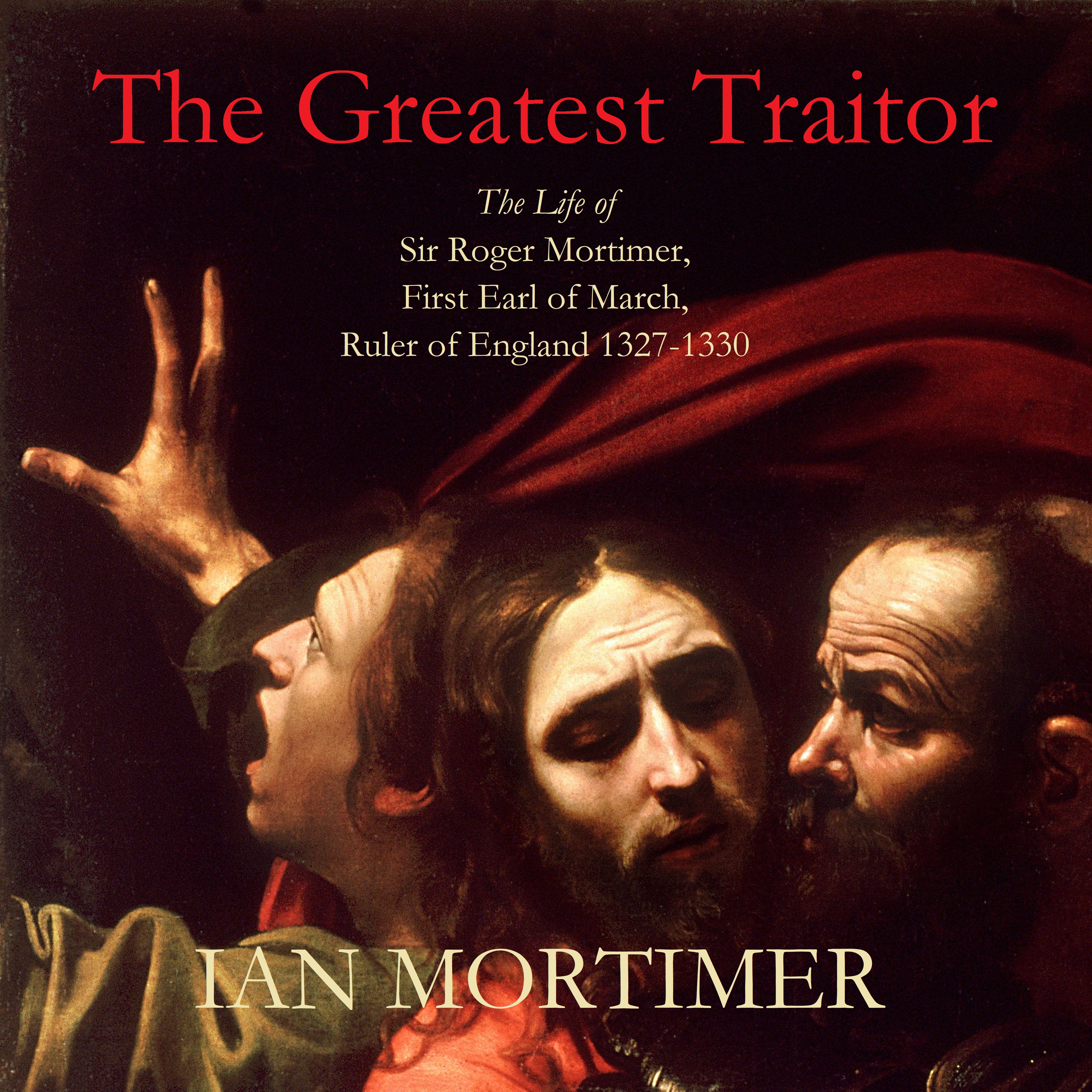
21 April 2026 The second-stage proofs of my forthcoming book, Through the Windows of an Ordinary House: a History of England have just landed in my inbox. Slowly that project nears completion, on course for publication on 17 September. Last week, I recorded the audiobook of my first history title, The Greatest Traitor: the Life of Sir Roger Mortimer, 1st Earl of March, Ruler of England 1327-1330, which was published way back in 2003. That was an experience and a half, going over a text I researched and wrote 25 years ago. But much of it is still relevant and parts were very exciting to read aloud. I got quite carried away narrating the section on the Battle of Bannockburn and the chapter dealing with the end of Lord Mortimer's life. As for the stuff on the fake death of Edward II, almost all of that holds up well. The only area I found myself significantly wanting to revise what I wrote in 2001-2 was the degree to which the state of Genoa was involved in what happened to Edward II in Italy. (Now I think the main agents were the pope and college of cardinals: for that reason, I will be paying a little trip to Avignon in the near future.) On 7 May I'll doing a collaborative event with the actor Patrice Naiambana, entitled 'Shakespeare at Home and Abroad'. We'll interweave our parts: I'll be talking about who Shakespeare was and what it was about him and his circumstances that made him not just a man for all times but one for all places and countries. Why is he so transferrable? And Patrice will be talking about that very transferrability, having performed Shakespearean roles in many countries. More informaton is available here.
18 March 2026 It seems like it's been raining forever here in Devon, in the southwest of England, and indeed, we saw rain every day for the first sixty days of the year. St Swithun, eat your heart out! But now the sun is shining and I am feeling optimistic. I have the proofs of Through the Windows of an Ordinary House: a History of England on my desk, and all is right with the world. What else is new? Not long ago I did an interview for Five Books about 'daily life in medieval England' and the editor, Sophie Roell, has now put up our chat on her website. Another thing, I am taking part in the History Extra weekends at four Warner Hotels over the course of the year. the first of these is at Littlecote Manor on 11 April, when I'll be performing my A-Z of Medieval England. Further events will take place at Nidd Hall in Yorkshire in June, and other venues later in the year. See my Future Events page for details. 20 January 2026 Happy New Year to my readers, if it's not too late - three weeks into January - to express such optimism. Perhaps it is, when the state of the world is so dire. At the end of last year, I thought it was just Ukraine vs Russia, Gaza vs Israel, USA vs Venzuela and ridiculously bombastic trade bullying that we had to worry about. But already this year we have seen the Americans kidnap a head of state and threaten military action against its NATO allies. I can't see how this is not the beginning of the end for NATO, and for international law and order, which in due course will be to the detriment of international trade and the end of any attempts to feed the poor or stop global warming. The world is so delicately balanced that selfishness such as we have seen over the last few weeks threatens everyone on the planet. So, Happy New Year. On a more positive note, today I sent the copyedited text of Through the Windows of an Ordinary House back to the publishers (The Bodley Head). These days, I understand, publishers want finished copies in the warehouse a full six months before publication. That seems like a long time to me but I'm doing my best to comply. It's been an extraordinary process, editing this book into its final form. I finished the first draft, 193,000 words, in May. Here we are, eight months later, and it's down to 137,000 words, and much better for it. But heavens! It has taken a lot of time and effort. Another positive thing: I received a copy of the Hungarian edition of my Time Traveller's Guide to Medieval England in the post this morning. Just in case you want to order a copy of your own, here's the link to this edition, published by Corint.
First review of the new book
Forthcoming talks
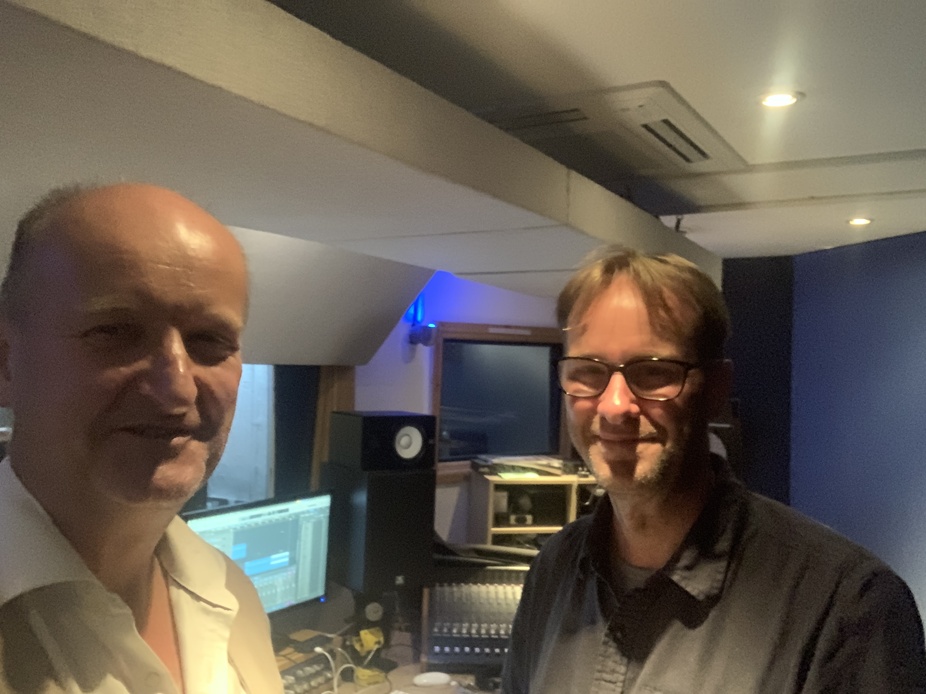
Audiobook recording
Woolacombe Dunes parkrun
NEW BOOK!

Signing German copies of my books
Walk on Dartmoor


Nick Cave in Brighton

Were the Dark Ages really dark?
Revisiting the Crystal Palace dinosaurs
Moreton Music Day

Recent talks
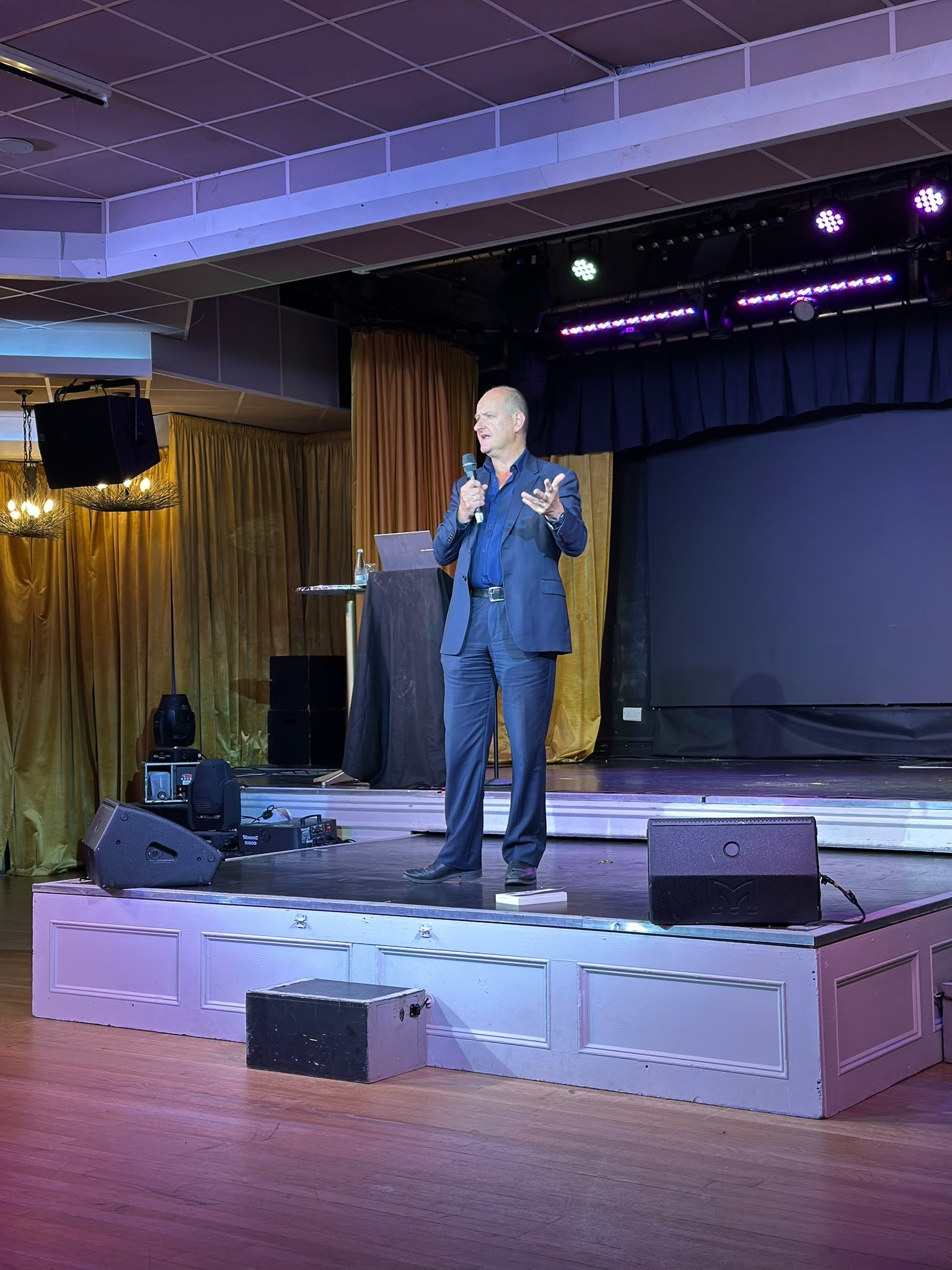
Speaking in the Pavilion at Nidd Hall.
Return from the Continent

A panorama of the front of the papal palace at Avignon, which Benedict XII started to rebuild in 1335.
Visiting the reconstructed tomb of Cardinal Luca Fieschi in Genoa.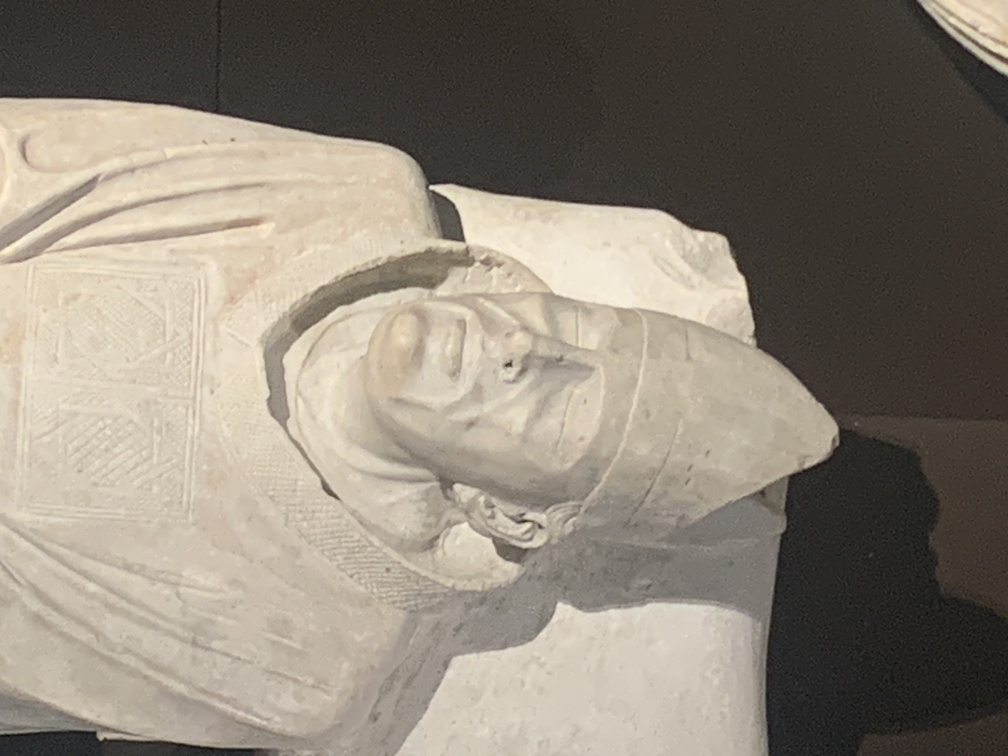
The face of Cardinal Luca Fieschi.
The sanctuary of Madonna del Monet near Mulazzo, which is possibly where Edward II was first sheltered by the Malaspina family, nephews of Cardinal Luca Fieschi.
Sant’ Alberto di Butrio, near Cecima and Oramala, where Edward II was next sheltered by the Malaspina family, nephews of Cardinal Luca Fieschi.
Both Sant’ Alberto di Butrio and Madonna del Monte are in stunning mountain-top locations. This is the view from Sant’ Alberto.
The reputed first tomb of Edward II at Sant’ Alberto di Butrio.
The Malaspina castle near Sant’ Alberto di Butrio, showing how remote this location is, even today.
The golden shrine of the Three Kings in Aachen Cathedral, dating from the late twelfth century, which Edward II visited in 1331.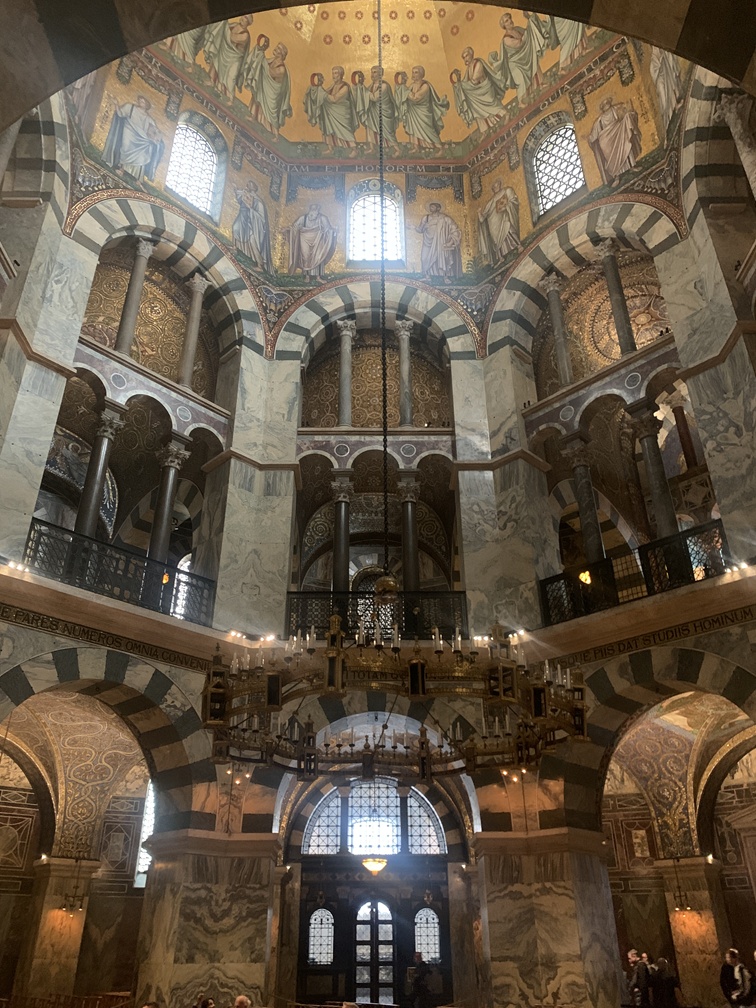
The chapel constructed by Charlemagne.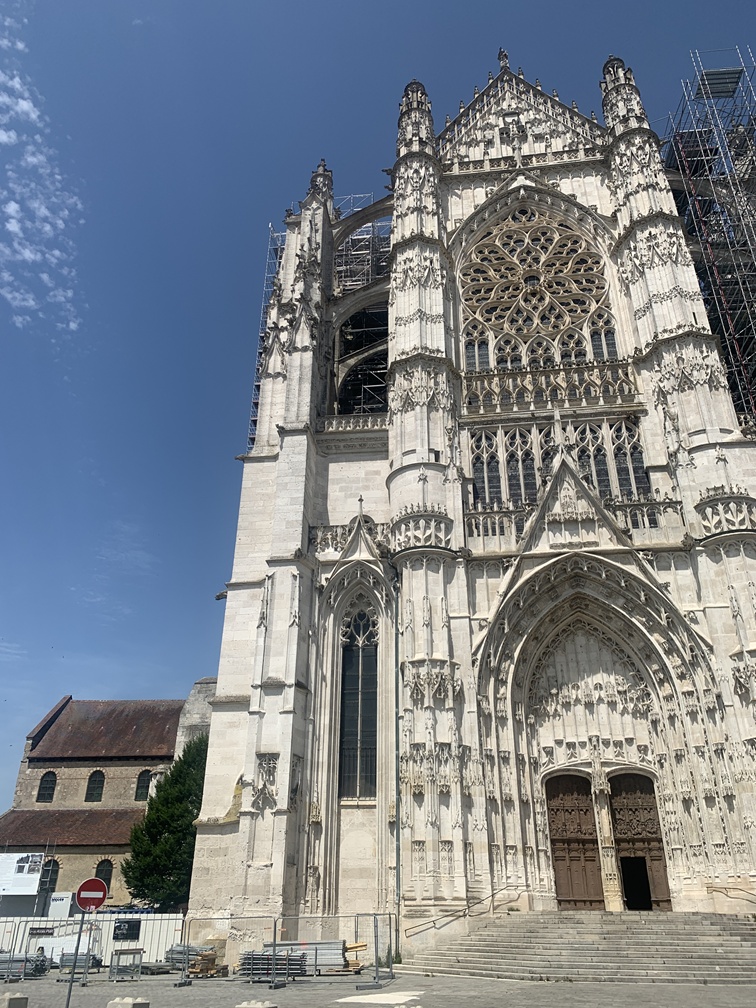
Uniquely, at Beauvais you can see half of a tenth-century cathedral adjoining half of its thirteenth-century successor. The difference in scale is astonishing. The tenth-century nave is on the left of this picture.
Inside the crossing of the thirteenth-century Beauvais Cathedral.
New book under contract
Young Historian competition (south west)
Dart Music Festival

Kismet on the main stage.
Some acts were lucky with the weather…
… and some acts were not so lucky.
Poem for a funeral
New book nears its final form, a new audiobook recorded, and a Shakespeare event soon!
At Last! The sun is out...

Good wishes and a progress report...

What was new in other years
2025
2024
2023
2022
2021
2020
2019
2018
2017
2016
2015
2014
2013
2012
2011
2010
2009
2008